
Transform Tight Spaces into Breezy Retreats

Today we dive into DIY modular pergolas and shade structures for narrow courtyards, turning overlooked slivers into welcoming, flexible hideaways. You’ll learn compact planning tricks, adaptable modules, and weekend‑friendly builds, inspired by real backyard victories and mistakes that taught unforgettable lessons worth sharing together.

Smart Planning for Slender Footprints

Narrow courtyards reward careful measurement, clearances, and realistic circulation paths. Start with a sketch that includes door swings, hose bibs, gas lines, drains, and neighbor fences. A quick cardboard mock‑up reveals pinch points before you cut lumber. Share your layout sketch with us, and we’ll trade feedback, shortcuts, and hard‑won planning stories.

Rhythm and Span

Choose a beat your space can keep: narrow, repeating modules around 900 to 1200 millimeters, or three to four feet, often feel graceful against tall walls. Shorter spans mean lighter members, cheaper hardware, and easier solo handling. Test rhythm by chalking lines on the patio and walking through them.

Connectors That Click

Structural screws, concealed brackets, and slotted hangers speed alignment in cramped quarters. Pre‑drill, label, and dry‑fit every part, then color‑code hardware bags. We once saved a Saturday by switching to flanged post bases that accept shims, rescuing level lines on an ancient slab that stubbornly refused cooperation.

Plan for Change

Design joints you can loosen without drama. Bolted beam laps, removable shade slats, and quick‑release sail fittings welcome evolving plants, furniture, and seasons. When a baby stroller suddenly needed parking, a reader lifted three slats, gained headroom, and kept the pergola’s rhythm intact without rebuilding a thing.

Modular Layouts That Flex

Build in bays that repeat, so materials carry easily and pieces fit through tight gates. Knock‑down connections let you assemble posts, beams, and shade panels like furniture. Start with two bays, then grow when budget or time allows. Comment with your courtyard width, and we’ll propose bay sizes that breathe.

Materials That Endure in Tight Corners

Confined spaces trap moisture and reflect heat, so choose materials with patience and proven finishes. Cedar, thermally modified ash, or powder‑coated aluminum behave kindly near masonry canyons. Stainless or hot‑dip galvanized fasteners prevent stains. Tell us your climate, and we’ll suggest pairings that look good longer with less fuss.

Wood, Metal, or Hybrid

Wood warms narrow spaces and tunes easily on site, while aluminum resists rot and saves weight when you’re working alone. A hybrid frame—aluminum posts with cedar slats—balances stiffness, comfort, and maintenance. Consider your tools, budget, and style goals before committing; the best choice aligns with how you build.

Fasteners and Finishes

In tight courtyards, splashes and shadows keep surfaces damp. Choose stainless screws where hands rest, and hot‑dip galvanized where structure matters. Oil‑finish cedar for touchable warmth, or use high‑build acrylic where kids and bikes test resilience. Share photos of existing stains, and we’ll diagnose compatible restoration steps together.

Corrosion and Drainage

Leave gaps between slats, elevate feet off concrete, and flash wall connections generously. A discreet drip edge guides water away from doors. One storm taught us that a single missing weep hole can soak cushions; a tiny pilot bit prevents enormous annoyance and saves your favorite outdoor book.

Shade You Can Tune

{{SECTION_SUBTITLE}}

Adjustable Louvers
Set slats around thirty to forty degrees to block high summer sun while inviting winter light. A simple jig repeats angles fast. Consider alternating slat widths for pattern and airflow. During a heat wave, one reader flipped every other slat and recovered a surprising breeze within minutes.

Retractable Sails

Hardware‑store shade cloth rides beautifully on wire rope with clip carabiners. Install diagonal runs to preserve headroom in narrow passages. Pull taut for storms; slacken slightly for daily use. A weekend retrofit added a center pulley, turning cleanup into a one‑hand task a teenager happily manages.

Footings and Anchors

In narrow alleys, use diamond core bits for clean holes, or switch to surface‑mount bases on sound slabs verified with a tap test. Set anchors in epoxy according to cure times, then shim posts plumb. Careful pacing beats speed, especially where deliveries, pets, and pedestrians share space.

Ledger and Wall Safety

If attaching to a wall, flash above the ledger, space it off masonry with washers, and avoid trapping moisture. Use sleeve anchors with proper embedment and torque, then test with a measured pull. A small gauge and patience prevent mysterious drips and preserve your interior plaster forever.

Panelized Shade Install

Build slat frames on the ground, check for square, and pre‑finish surfaces so you’re not painting overhead. Two people can lift panels safely even in corridors. A temporary support cleat makes solo installs possible. Share your panel weight and span; we’ll suggest safe lifts and bracing tricks.

Style, Comfort, and Everyday Use

Furniture That Fits

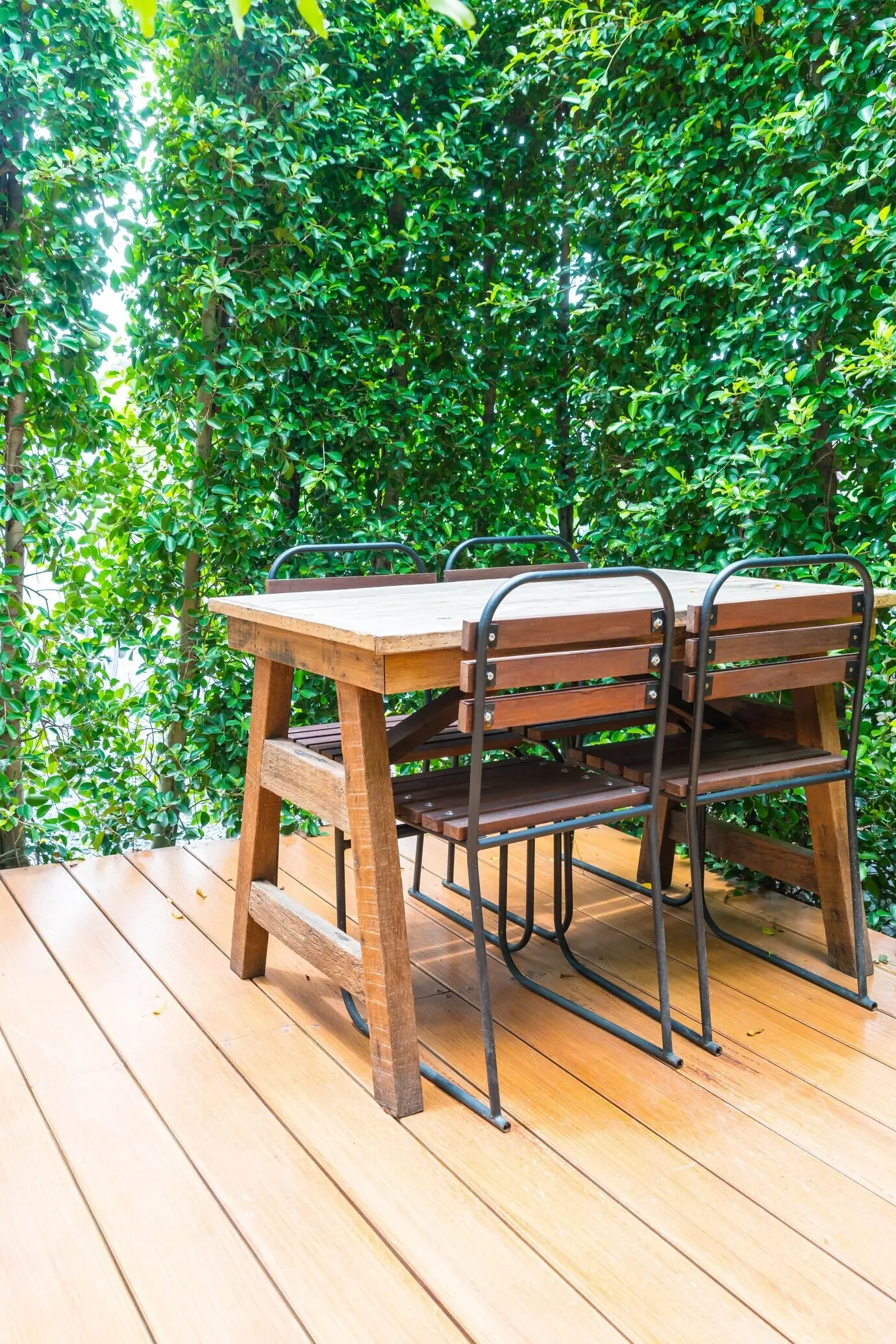
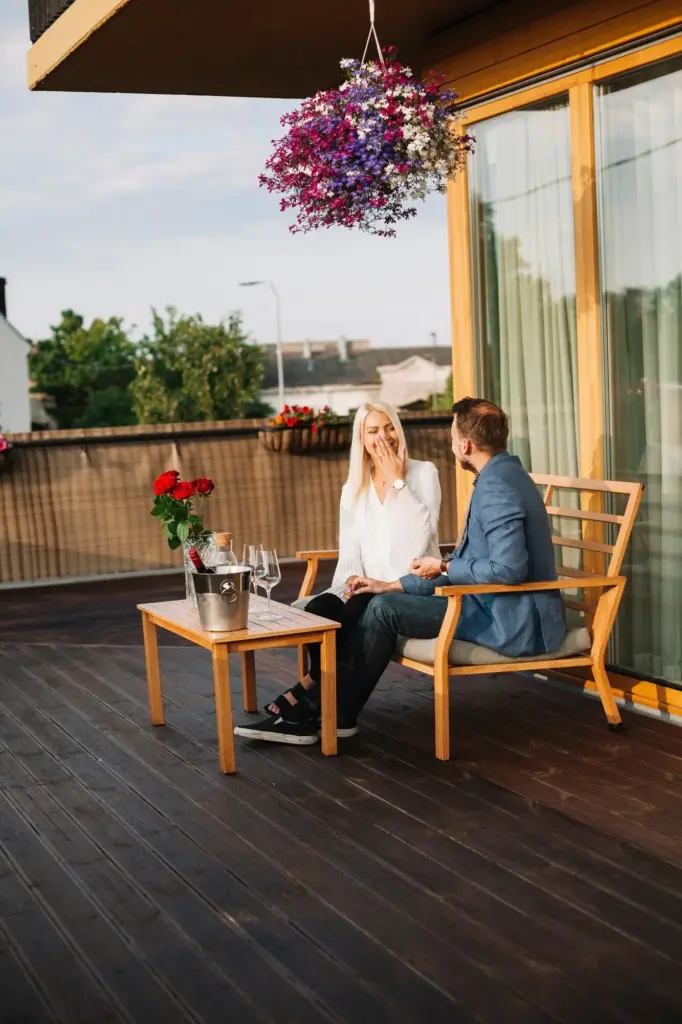
Scale seating to the walkway you actually need. Café sets and narrow benches invite conversation without pinching movement. Round tables soften corners and spare shins. Try cardboard stand‑ins for size checks. Share photos of your current furniture puzzle; we’ll swap space‑saving ideas that still feel generous and welcoming.

Lighting Layers

Scale seating to the walkway you actually need. Café sets and narrow benches invite conversation without pinching movement. Round tables soften corners and spare shins. Try cardboard stand‑ins for size checks. Share photos of your current furniture puzzle; we’ll swap space‑saving ideas that still feel generous and welcoming.

Water, Sound, and Softness

Scale seating to the walkway you actually need. Café sets and narrow benches invite conversation without pinching movement. Round tables soften corners and spare shins. Try cardboard stand‑ins for size checks. Share photos of your current furniture puzzle; we’ll swap space‑saving ideas that still feel generous and welcoming.

Dallasdreamclean
Privacy Overview

This website uses cookies so that we can provide you with the best user experience possible. Cookie information is stored in your browser and performs functions such as recognising you when you return to our website and helping our team to understand which sections of the website you find most interesting and useful.