Make More Room Under Open Skies

Today we explore space-saving modular deck systems for small backyards, revealing how compact footprints, interchangeable panels, and smart storage turn tight outdoor areas into flexible lounges, dining nooks, and garden corners. Expect practical steps, honest cost insights, resilient materials, and real stories proving that thoughtful design can multiply comfort, beauty, and everyday usefulness without overwhelming your limited square footage.

Designing for Tight Footprints

Small backyards demand clarity, intention, and a plan that respects inches as much as feet. With modular deck systems, you can shape zones, preserve green patches, and encourage natural movement lines. Careful measuring, elevation mapping, and light-aware layouts ensure everyday comfort, while phased add-ons let your outdoor world expand gradually without design chaos or costly do-overs.

Measure, Map, and Mock Up

Start by measuring property lines, door thresholds, slope, and existing obstructions like vents or downspouts. Mock up your modular deck using cardboard templates or painter’s tape to test walking paths and furniture spacing. This simple rehearsal prevents crowding, protects sunlight angles, and reveals where steps, benches, or planters should actually live, not just theoretically belong.

Modularity That Adapts

Choose panels that can move as your life shifts: a grill station now, a reading nook later, or extra seating when guests appear. Interchangeable modules, adjustable pedestals, and reversible surface layouts allow upgrades without full rebuilds. This adaptability saves money, reduces waste, and gives you confidence to refine your deck after living with it through different seasons.

Flow, Light, and Lines

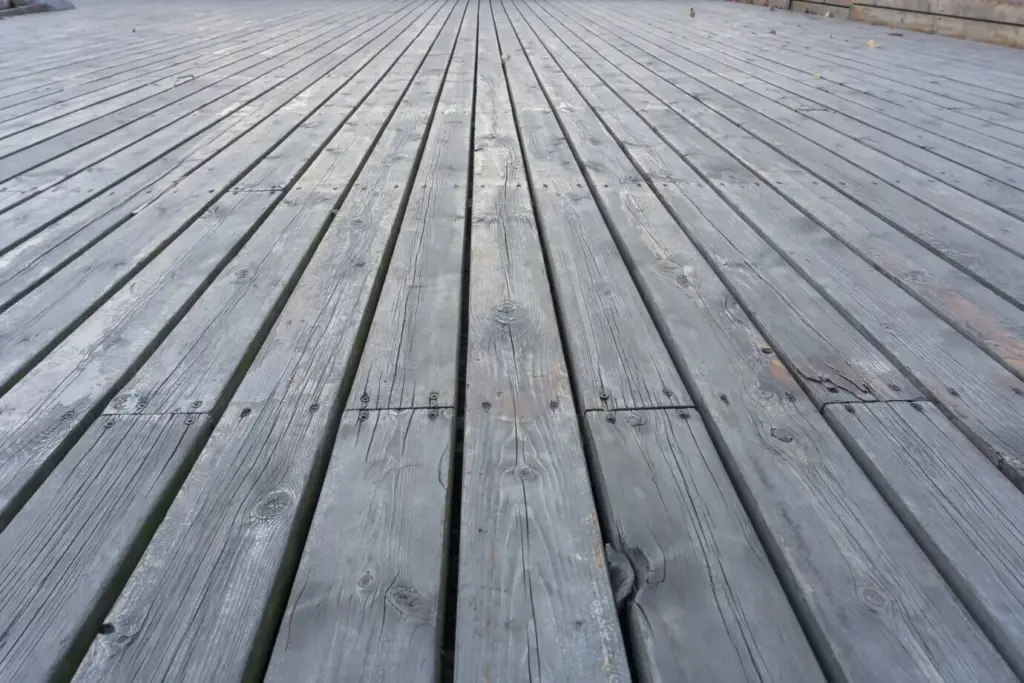
Use long, continuous deck boards or slatted patterns to visually stretch space. Keep thresholds low to remove trip points and keep sightlines clean. Incorporate open rail designs that feel airy, and position planters strategically to frame views rather than block them. Good lines direct the eye outward, making a compact yard feel inviting, intentional, and surprisingly expansive.

Strong, Light, and Built to Last

A small deck still faces big stresses: moisture, freeze-thaw cycles, foot traffic, pets, and relentless sun. Space-saving modular systems pair lightweight framing with durable surfaces and corrosion-resistant hardware. Thoughtful material choices and a vented, well-drained assembly drastically reduce rot risks, heat buildup, and squeaks, ensuring your compact investment delivers long-term comfort without constant repair chores or expensive emergency interventions.

Frames That Fight Rot

Consider powder-coated aluminum joists or composite framing when ground contact or shade increases moisture exposure. These materials shrug off rot and insects, keeping geometry true over years. When wood is preferred, choose kiln-dried, pressure-treated lumber, use end-grain sealers, and elevate members on pedestals. Proper airflow beneath panels keeps the structure drier, quieter, and better aligned despite seasonal shifts.

Decking That Stays Cool

Composites with lighter pigments reflect heat, reducing barefoot discomfort on tight patios with lots of sun. Textured finishes add traction without trapping grime. If you love wood, try thermally modified species for improved stability and reduced maintenance. Combine slatted modules with discreet airflow gaps to keep temperatures manageable, prolong fastener life, and protect the substructure from warping under peak summer conditions.

Hardware That Disappears

Hidden fasteners and color-matched screws maintain clean lines in compact spaces where details are always close at hand. Stainless or coated steel resists corrosion near planters and sprinklers. Quick-release bolts let you lift a panel for access to irrigation lines, lighting wires, or storage bins beneath. The result is a calm, uncluttered surface with maintenance access when needed.

Benches With Secrets

Hinged-lid benches protect cushions from surprise showers and hide tools that would otherwise demand a shed you do not have space for. Gas struts keep lids safe. Vent slots reduce mildew risk. Add removable dividers for grilling gear, pet supplies, and kids’ games. Everything finds a home, leaving the compact deck open, welcoming, and blissfully easy to tidy after guests leave.

Rails That Work

Transform guardrails into service stations with slim fold-down tables, towel hooks, herb planters, and magnetic knife strips by the grill. Choose rail profiles that accept modular brackets, enabling quick swaps between weekend barbecue attachments and weekday laptop ledges. By lifting utilities to the perimeter, you free valuable floor space for movement, stretching small dimensions further than rearranging furniture ever could.

Weekend Build, Pro Results

With modular panels, clear instructions, and smart leveling systems, a small backyard transformation can fit into a weekend without sacrificing quality. Upfront planning is crucial: verify property setbacks, choose pedestal heights, pre-stage tools, and prefab subassemblies. By Sunday evening, you can be entertaining on a deck that looks custom, feels solid, and remains flexible for future improvements or expansions.

01

Permits, Codes, and Neighbors

Even when structures are low and freestanding, check municipal rules on setbacks, height limits, and rail requirements. Share drawings with neighbors early to avoid surprises. Calling utility-locate services prevents mishaps. Photos of before-and-after heights help inspectors verify compliance quickly. Good paperwork and courteous communication save time, reduce stress, and protect your investment in a compact space with shared boundaries.

02

Leveling Without Pouring

Adjustable pedestals and composite shims let you correct slope without heavy footings, ideal for tight yards with tricky access. Add geotextile fabric and compacted gravel to support loads while draining water. A laser level or taut string line keeps modules flush, preventing wobbles and squeaks. The approach is cleaner, faster, and reversible if future landscaping plans evolve unexpectedly.

03

Fast Assembly Methods

Pre-drill repetitive connections, label modules, and organize hardware by steps. Use clamp blocks to hold edges flush while fastening hidden clips. Keep a square handy to maintain crisp corners in tight footprints. If you work solo, temporary spacers guarantee even gaps. Document each layer with photos so future upgrades or repairs are straightforward and confidence-building, not confusing scavenger hunts.

Maintenance That Fits Your Schedule

Compact outdoor rooms are used frequently, so upkeep should be simple and infrequent. Modular deck systems make it easy: lift a panel to clear debris, swap a stained board, or retighten a squeaky clip. A brief seasonal routine preserves beauty, protects warranties, and prevents small annoyances from growing into repairs that swallow weekends better spent relaxing with friends or family.

A Seasonal Checklist That Saves Money

In spring, wash surfaces with manufacturer-approved cleaners and inspect for loosened hardware. Summer calls for a quick heat check and shade tweaks using umbrellas or pergola slats. Autumn leaf removal preserves drainage. Winter protection includes lifting mats and clearing snow carefully. These small, predictable rituals keep performance high, extend lifespan, and front-run costly issues before they ever appear.

Quick Swaps, Big Refresh

Because modules unscrew or unclip easily, refreshing the look is painless. Introduce a lighter color field, rotate a textured panel to a high-traffic zone, or replace one bench lid to create a striking accent. These micro-changes deliver an outsized sense of newness, proving that tight backyards can reinvent themselves gracefully without demolition, dumpsters, or budget shocks that derail bigger plans.

Weathering the Extremes

Choose UV-stable finishes, corrosion-resistant fasteners, and expansion gaps to handle heat waves, rainstorms, and sudden cold snaps. Keep snow shovels with plastic edges to protect surfaces. Where wind funnels between houses, add anchoring brackets and screened planters that slow gusts. Good details tame volatile weather, letting your compact deck feel calm, reliable, and ready no matter what the forecast threatens.

Real-World Wins and Smart Budgets

We’ve seen a twelve-by-eighteen backyard become a confident gathering place using modular components, a pedestal base, and two weekends of focused effort. Phased additions—rail tables first, storage stairs later—kept costs comfortable while value and enjoyment rose. Share your constraints and plans in the comments so we can help refine layouts or suggest modules that fit your timeline and wallet.
Dallasdreamclean
Privacy Overview

This website uses cookies so that we can provide you with the best user experience possible. Cookie information is stored in your browser and performs functions such as recognising you when you return to our website and helping our team to understand which sections of the website you find most interesting and useful.